

Viewing 1 - 3 out of 12
Article

Most schools provide vision screening programs to identify children who have problems with eyesight. Although these provide a great opportunity to notice common vision problems, many vision issues go undetected in school exams. A comprehensive eye exam from an optometrist is needed to accurately diagnose a range of common pediatric vision issues.
Treatment of Pediatric Vision Issues
Although glasses may help with these pediatric vision issues, vision therapy is the most common course of treatment. Vision therapy actually retrains the eyes to work together, focus appropriately, and track objects. This may include in-office therapy with special instruments as well as personalized at-home exercises to practice vision skills. Successful vision therapy changes the eyes' functioning to facilitate clear vision.
Pediatric Vision
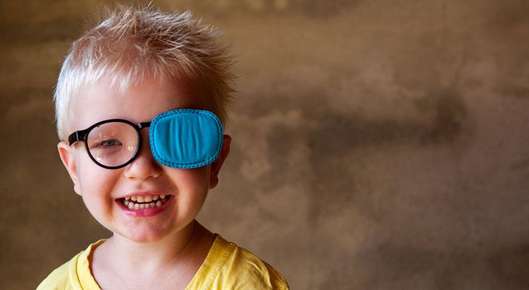
Lazy Eye
Lazy eye, also referred to as amblyopia, is a condition that develops in infancy or early childhood, and it typically starts when the focus in one eye is more enhanced than the other. The eye with less focus might be impaired due to a significant amount of farsightedness or astigmatism, or something

Pediatric Vision
Pediatric Ophthalmology
Ophthalmology addresses the physiology, anatomy and diseases of the eyes. Pediatric ophthalmology focuses on the eyes of children. Pediatric ophthalmologists examine children’s eyes to see if they need corrective lenses or other treatments to improve their vision. Training for Pediatric Ophthalmologists Pediatric
Pediatric Vision
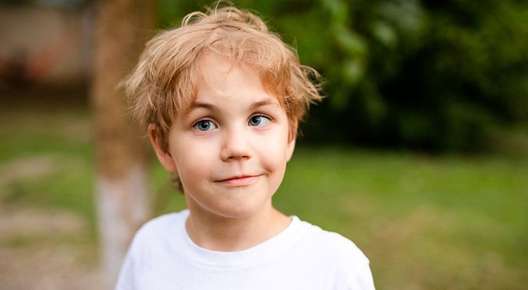
Wandering Eye
A wandering eye is a type of eye condition known as strabismus or tropia, and it may be caused by damage to the retina or muscles that control the eye, stroke or brain injury, or an uncorrected refractive error like farsightedness. With a wandering eye, one eye deviates or wanders in a different direction
Location
Click the map to view the location nearest to you
Office Hours
Our schedule